Background Floral. Abstract Symbol. Element: Blending Aesthetics and Functionality in Modern Design
In the evolving world of digital and print design, Background Floral. Abstract Symbol. Element has emerged as a versatile visual tool that bridges artistic expression with practical application. This design element, often used subtly in the background of layouts, combines floral motifs with abstract symbolism to create a layered, engaging visual experience. Whether in branding, web design, or editorial layouts, its presence is quietly influential, shaping how audiences perceive and interact with content.
Understanding the Concept
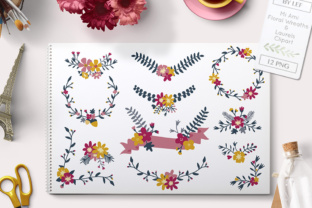
At its core, Background Floral. Abstract Symbol. Element refers to a design component that integrates floral patterns with abstract shapes or symbolic meaning. Unlike traditional floral backgrounds that aim for realism or maximalist decoration, this element leans into abstraction. It's not just about aesthetics—it's about setting a tone, evoking emotion, and enhancing the visual hierarchy of a layout without overwhelming the primary content.
Designers often use this element to add depth and texture without drawing too much attention. It's a balance between presence and subtlety, making it especially useful in modern minimalist and clean design trends where whitespace and clarity are prioritized.
The Rise of Subtle Visual Storytelling
In recent years, there's been a noticeable shift in how visual content is consumed. Audiences have become more design-literate and less tolerant of clutter. This has led to a rise in subtle visual storytelling—where every element, including the background, plays a role in communicating a brand's message or a project's mood.
Background Floral. Abstract Symbol. Element fits seamlessly into this trend. It allows designers to embed narrative and emotional cues without being overt. For example, a wellness brand might use soft, flowing floral abstracts in a website background to evoke tranquility and organic growth, aligning with their core values without needing explicit text.
Why It’s Gaining Attention Now
The growing popularity of Background Floral. Abstract Symbol. Element is not coincidental. It reflects broader changes in design philosophy and user expectations. As more brands and creators move away from rigid, templated layouts, there's a greater demand for unique, emotionally resonant visuals that stand out in a crowded digital space.
Moreover, tools like Adobe Illustrator, Canva, and Figma now make it easier for both professionals and hobbyists to experiment with abstract design elements. This accessibility has democratized high-quality design, allowing a wider range of creators to incorporate Background Floral. Abstract Symbol. Element into their work with minimal effort and cost.
Practical Applications Across Industries
This design element isn't limited to any single industry. Its flexibility makes it suitable for a wide range of applications:
- Branding: Used in background elements of logos, business cards, or brand kits to add a unique visual signature.
- Web Design: Enhances landing pages, headers, and section dividers without compromising load times or readability.
- Editorial Design: Adds visual texture to magazine spreads, book covers, and digital newsletters.
- E-commerce: Creates a cohesive visual identity across product packaging, banners, and promotional materials.
For example, a boutique coffee brand might use an abstract floral background in their product packaging to convey a sense of natural origin and artisanal quality. Similarly, a tech startup might integrate a stylized floral element into their app interface to soften the overall look and create a more approachable user experience.
How to Use It Effectively
While Background Floral. Abstract Symbol. Element offers many creative possibilities, its effectiveness lies in how thoughtfully it's implemented. Here are a few practical tips:
- Balance with whitespace: Let the background complement—not compete with—the main content. Too much texture can distract.
- Align with brand identity: Choose colors and styles that reflect your brand's personality and values.
- Test across devices: Ensure the background scales well and remains subtle on both desktop and mobile screens.
- Use layering techniques: Combine with gradients or overlays to maintain readability without sacrificing visual interest.
Designers should also consider accessibility, ensuring that text remains legible over the background and that color contrast meets standard guidelines.
Future Outlook
As design continues to evolve toward more personalized and emotionally intelligent visuals, the role of Background Floral. Abstract Symbol. Element is likely to expand. It may become a standard tool in the design toolkit, especially as AI-driven design platforms begin to suggest and generate these elements automatically based on context and brand tone.
However, the human touch remains irreplaceable. The best uses of this element come from intentional design choices that reflect a deep understanding of audience, medium, and message. Automation may streamline the process, but creativity and context will always drive meaningful design.
Final Thoughts
In a world where visual content is everywhere, standing out requires more than just bold colors or dramatic typography. It requires nuance, intention, and emotional resonance—qualities that Background Floral. Abstract Symbol. Element delivers with quiet elegance. Whether you're a professional designer, a small business owner, or a creative hobbyist, understanding how to use this element can elevate your work and connect more deeply with your audience.
As trends continue to favor minimalism with meaning, this design element offers a way to enrich visual communication without overcomplicating it. It's not just a background—it's a subtle storyteller, a mood enhancer, and a modern design essential.