Creative Potential of Cacti and Plants Clipart: Florals in Design and Beyond
Exploring the Versatility of Botanical Illustrations
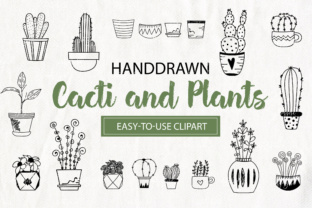
Botanical illustrations have long been a staple in artistic and commercial design, and the growing popularity of handdrawn elements like cacti and plants in pots is no surprise. These simple yet charming visuals offer a wide range of applications, especially when delivered in formats like .PNG, .AI, and .EPS. Whether you're a professional designer or a hobbyist experimenting with wall art, the flexibility of these clipart collections makes them an essential tool in your creative arsenal.
The collection features 35 individual .PNG files, each containing a separate floral element on a transparent background. This allows for seamless integration into digital projects without the need for complex editing. The inclusion of vector formats (.AI and .EPS) ensures scalability, making these illustrations suitable for everything from mobile app icons to large-scale prints.
Design Applications for Diverse Industries
One of the most compelling aspects of cacti and plants clipart is its cross-industry relevance. In the realm of branding, these illustrations can be used to craft unique logotypes that convey a sense of calm, growth, or natural beauty. Businesses in wellness, gardening, or eco-conscious product lines often find that such imagery aligns well with their brand identity.
- Logo design and brand assets
- Printable wall art and home décor
- Educational infographics and worksheets
- Mobile app and website icons
- Merchandise and packaging design
Educators can also benefit from these botanical graphics. From creating engaging science lesson visuals to designing plant-themed classroom decorations, the clean and approachable style of the clipart makes it ideal for learning environments. Researchers studying plant biology or environmental design may also find these visuals useful for presentations or publications.
Technical Benefits of Multi-Format File Delivery
The availability of multiple file formats significantly enhances the usability of this clipart collection. Raster images like .PNG are perfect for immediate use in web design and social media content, where transparency and crisp edges matter. On the other hand, vector files (.AI and .EPS) allow for infinite scalability without loss of quality, making them indispensable for print media, large-format signage, and detailed illustrations.
Designers who frequently work across platforms will appreciate the compatibility of these files with common software tools. Adobe Illustrator users can edit .AI files directly, while EPS files offer broader compatibility with legacy systems and alternative vector editing applications. This adaptability ensures that the clipart can be integrated into a wide range of design workflows without friction.
Customization and Creative Freedom
Each floral element in the collection is provided separately, which opens the door to extensive customization. Designers can mix and match elements to create composite illustrations, or isolate specific plants to highlight particular features. This modular approach encourages experimentation and allows for the creation of unique compositions tailored to specific projects.
For example, a designer working on a botanical-themed café menu might combine several cacti and flowering plant illustrations to create an eye-catching header. Meanwhile, a stationery brand could use a single cactus in a pot as a repeating pattern on greeting cards or packaging labels. The transparent background in the .PNG files further enhances this flexibility by eliminating the need for manual background removal.
Real-World Use Cases and Industry Trends
In recent years, there has been a noticeable shift toward minimalistic and nature-inspired design aesthetics. This trend has been particularly strong in sectors such as wellness, lifestyle, and sustainable product design. The popularity of "slow living" and mindfulness has also contributed to the rise of botanical motifs in branding and personal expression.
Creators and small business owners are increasingly turning to handdrawn elements like cacti and plants to differentiate their visual identity in a crowded digital marketplace. The simplicity and warmth of such designs resonate with audiences seeking authenticity and connection. Additionally, the use of flora in design has been linked to positive psychological effects, making it a strategic choice for user interface and user experience (UI/UX) design.
Accessibility and Inclusivity in Visual Communication
Floral illustrations, especially those featuring recognizable plants like cacti, can play a role in making visual content more accessible. Their familiar shapes and natural forms can aid in conveying messages without relying solely on text. This is particularly valuable in educational materials, multilingual publications, and inclusive design practices where visual cues enhance comprehension.
For instance, a gardening app might use these illustrations to guide users through different plant care routines, using imagery instead of lengthy explanations. Similarly, environmental infographics can utilize these elements to represent biodiversity, conservation efforts, or ecological balance in a visually engaging way.
Considerations for Long-Term Use and Licensing
When incorporating clipart into professional or commercial work, it's important to consider licensing and usage rights. Most high-quality clipart collections come with clear licensing terms that allow for both personal and commercial use, often without the need for attribution. Designers should always verify these terms before using the artwork in client projects or mass-produced items.
Additionally, maintaining a well-organized asset library is crucial for long-term efficiency. Properly categorizing and tagging each .PNG, .AI, and .EPS file can save time during future design projects. Some creators may also choose to convert frequently used vector elements into custom brushes or symbols within their design software for quicker access.
Conclusion-Less Reflection on Design Evolution
As design continues to evolve, the demand for versatile, high-quality visual elements remains constant. Cacti and plants clipart, especially when presented in a curated and technically robust format, offers a timeless solution for creators across disciplines. Whether used in branding, education, or personal expression, these botanical illustrations serve as a bridge between traditional artistry and modern design functionality.
By embracing both the aesthetic and practical advantages of such collections, designers and creators can enhance their work with meaningful, scalable, and visually appealing elements that stand the test of time.