Simple Leaf Vector Art for Elegant Design Projects
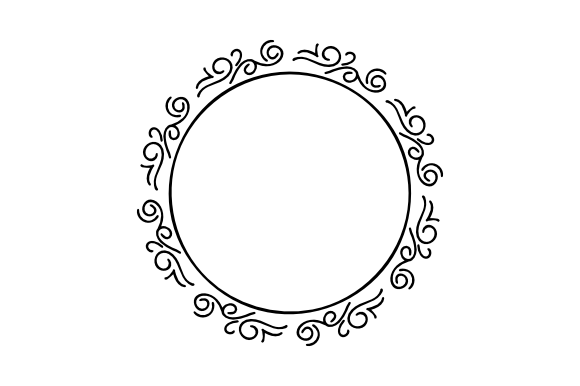
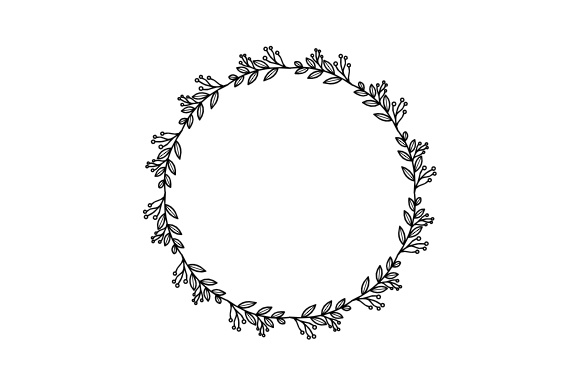
Vector Art of a Simple Leaf offers a clean, adaptable visual element that enhances modern design with its minimalist charm and organic appeal. Whether it's a circular leaf motif or a delicate swirl pattern, these vector graphics provide a timeless touch suitable for a wide range of creative applications. Designers increasingly rely on these assets to elevate visual communication while maintaining a natural aesthetic that resonates across industries.
Why Simple Leaf Vectors Matter in Graphic Design
At their core, simple leaf vectors are scalable, editable illustrations that retain clarity at any size. This makes them ideal for both print and digital media. Their clean lines and soft curves offer a subtle yet powerful visual language that supports branding, editorial design, and user interface elements. When used thoughtfully, a Vector of a Simple Leaf can convey growth, harmony, and elegance—qualities that align well with wellness brands, eco-conscious businesses, and lifestyle-focused marketing campaigns.
Applications Across Design Disciplines
From logo design to packaging, the versatility of leaf vectors allows designers to integrate natural elements seamlessly. Here are some key areas where they make a strong impact:
- Branding and Logo Design: Incorporating a leaf motif into a brand mark adds a sense of trust and organic authenticity.
- Marketing Materials: Wedding invitations, greeting cards, and event flyers benefit from the soft, elegant touch of leaf swirls.
- Web and UI Design: Background elements or icon accents using leaf vectors add visual interest without overwhelming the layout.
- Packaging Design: Eco-friendly product lines often use leaf graphics to reinforce sustainability and natural ingredients.
Designing with Purpose: Tips for Using Leaf Vectors
When selecting a Vector Art of a Simple Leaf, consider how it aligns with your brand identity and design goals. A circle leaf design, for instance, may communicate unity and balance—perfect for wellness or lifestyle brands. Meanwhile, a more abstract swirl can add motion and fluidity to editorial layouts or digital marketing banners.
Here are some practical tips for integrating leaf vectors effectively:
- Match the Style: Ensure the vector's aesthetic aligns with your overall design—whether minimalist, vintage, or modern.
- Maintain Visual Hierarchy: Use leaf elements to support, not distract from, your primary message.
- Consider Scalability: Choose vector formats that allow for resizing without quality loss, especially for print or responsive web design.
- Balance with Typography: Pair leaf graphics with clean fonts to avoid visual clutter and maintain readability.
Color and Composition: Enhancing the Visual Impact
Color plays a crucial role in how a Vector of a Simple Leaf is perceived. Earthy tones like sage, olive, and deep green evoke nature and sustainability. For a more modern look, designers often opt for monochrome or pastel versions that blend seamlessly into minimalist layouts. The placement of leaf graphics should also follow principles of visual hierarchy—using space strategically to guide the viewer’s eye and reinforce the message.
When designing a natural wedding invitation, for instance, a subtle leaf border or a central circular leaf motif can frame the text beautifully. In digital marketing, animated leaf elements can add a soft, engaging motion to landing pages or social media posts.
Ultimately, the strength of a Vector Art of a Simple Leaf lies in its ability to enhance visual storytelling while remaining versatile and timeless. Whether used in branding, editorial design, or UI/UX projects, these graphics support a clean, nature-inspired aesthetic that appeals to a broad audience. By choosing the right style, color, and layout, designers can elevate their creative projects with a refined, organic touch that communicates both beauty and meaning.